Why Project 28
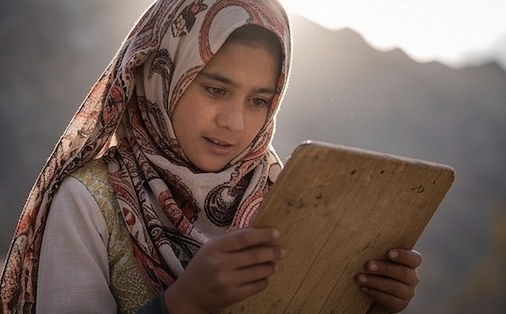
Rebuilding public health technology through grassroots advocacy, native dialects, and community trust.
Technology has revolutionized global health, yet women in underserved communities remain disproportionately disconnected from basic health literacy due to entrenched social taboos and systemic language gaps. Top-down digital solutions fail when they treat health communication as a simple content problem rather than a relational one.
Project 28 operates at the intersection of gender equity and human-centered technology. We utilize digital platform coordination to train, connect, and deploy local Health Advocates who deliver direct, person-to-person health education in regional dialects. By putting trusted community members at the center of public health outreach, we ensure life-saving health literacy is accessible, culturally grounded, and dignifying.
A critical barrier to global health literacy.
Global health literacy is facing a critical communication barrier. While life-saving medical information and treatments exist, they are frequently trapped behind clinical jargon and literal, un-nuanced translations. For millions of women and underserved communities, the barrier is not just linguistic, but cultural. Deeply entrenched stigmas surrounding menstrual hygiene, reproductive wellness, and treatable conditions like obstetric fistulas lead to mass misinformation, severe health complications, and social ostracization.
Deep cultural adaptation, not transactional translation.
Project 28 bypasses transactional medical translation in favor of deep cultural adaptation. Operating as a grassroots, community-funded initiative alongside Azeen.Health, we mobilize a global network of volunteers who utilize heritage languages and regional dialects to transform complex medical facts into compassionate, clear, and dignified community education. Through digital safe havens and confidential 1:1 peer support, we deliver trusted health insights directly to the frontline, empowering individuals with knowledge that dismantles isolation and preserves human dignity.
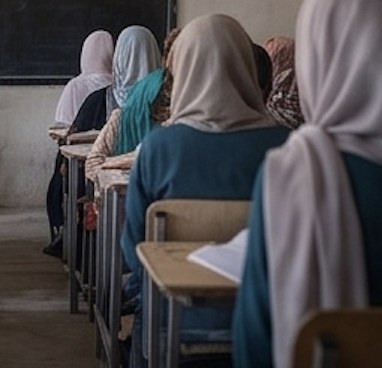
The principles that guide everything we do.
Dignity Through Access
We believe that access to accurate, understandable health awareness is a fundamental right. We provide tools that restore an individual's agency over their own body and health status.
Cultural Intimacy
True health communication requires local trust. We prioritize heritage languages and regional dialects to ensure our messaging is respectful, accurate, and relevant within local traditions.
Radical Kindness
Our global network is fueled entirely by human solidarity. We show up for communities with confidential, non-judgmental, and peer-to-peer empathy.