PK-01
Karachi
Pakistan
Active Volunteer Hub
Health Advocates & Coordinators on the ground
Project 28 is in its earliest chapter. We publish only what is true today: the cities where our volunteers actually live, and the commitments we are actively working toward as we scale.
We will only list a region as active once real volunteers are on the ground. No placeholder numbers, no inflated reach.
Project 28 does not operate through clinics or shelters. Our work happens where women already are — in villages, in schools, in community gatherings, and through door-to-door outreach that brings women together in spaces they already trust. We go to them. They do not come to us.
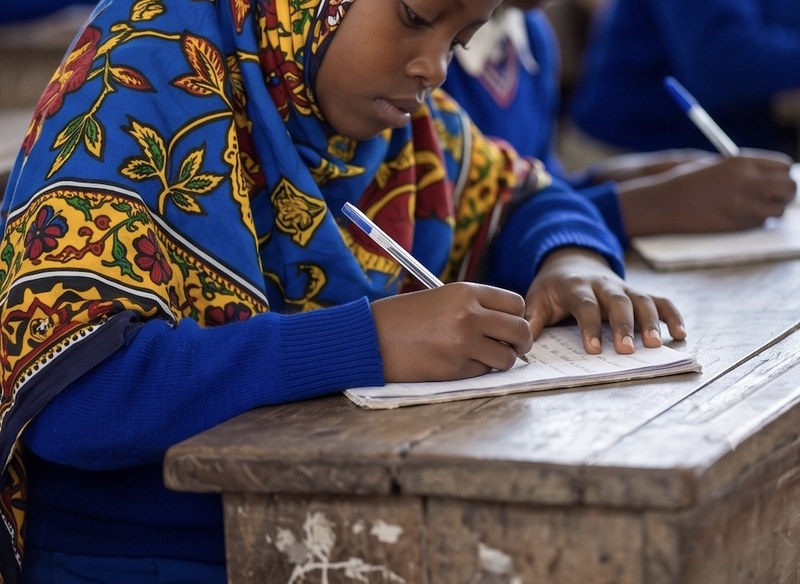
In the regions where we operate, conditions such as obstetric fistula and menstruation carry severe social stigma. Many of the women and girls we reach would face ostracism, family separation, or harm if identified publicly. For this reason, we do not name or map the communities we serve, and we do not photograph individuals without explicit consent from the person and where applicable their family.
Dignity and safety come before visibility, always.
These are the direct goals we are actively working toward as we scale. We are not claiming completed numbers. We are showing you exactly where every advocate hour, every donated kit, and every dollar is being channeled today.
Translating and simplifying trusted reproductive and menstrual health materials into the languages our volunteers actually speak: Urdu, Sindhi, Pashto, Hindi, Telugu, Swahili, isiXhosa, Arabic, and more. Every guide is reviewed for clarity before it ever reaches a reader.
Channeling funds and donations into menstrual pads, incontinence products, soap, and dignity kits, delivered through vetted shelters and clinics in the regions where our hubs operate. Every kit is logged. None are photographed.
Partnering with surgical mission networks to underwrite obstetric fistula repairs for women who would otherwise be left untreated. Each funded surgery restores continence, dignity, and the possibility of returning to community life.
“To protect the safety and security of vulnerable individuals, the exact names and locations of our partner shelters remain strictly confidential.”
Partner organizations are never identified in marketing, press, or reports.
Cities and addresses are aggregated to the regional level only, never mapped publicly.
Photographs of intake spaces, residents, and staff are never published or shared.